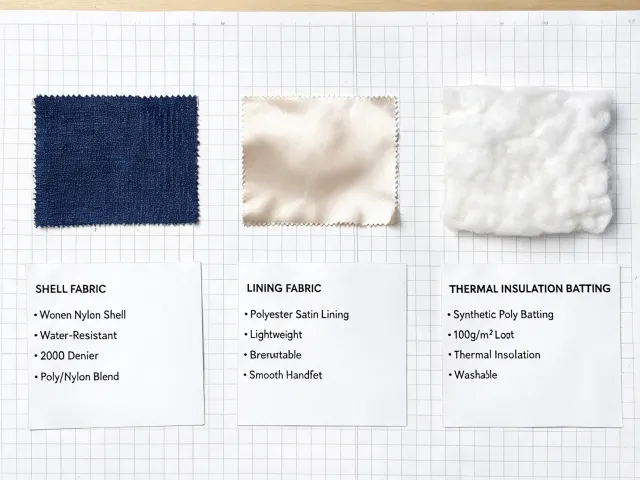
Garment Systems
Match insulation type and basis weight to shell, lining, quilt spacing, care route and end-product testing.

Separate garment, footwear and bedding insulation from loose-fill products and automotive acoustic non-woven models before comparing any value. Start with the product name, construction, basis weight, thickness and intended article.
Each application changes the relevant product form, construction route and validation method. These paths are starting points for technical review, not guarantees for a finished article.
Match insulation type and basis weight to shell, lining, quilt spacing, care route and end-product testing.
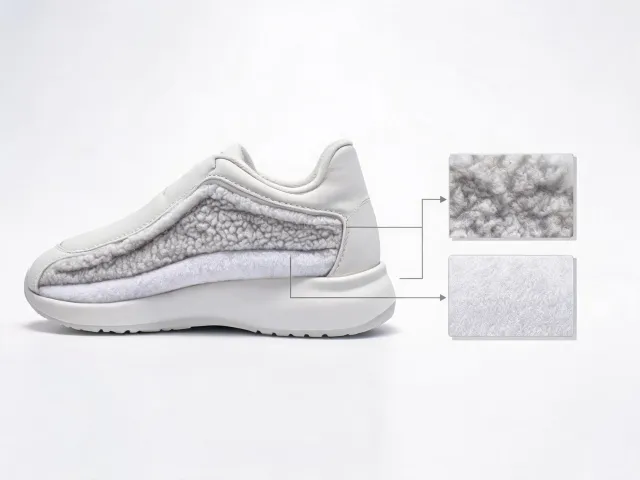
Review the footwear-specific construction, compression, moisture exposure and placement instead of borrowing apparel data.

Distinguish loose-fill and batting forms, then document fill distribution, channel geometry and article-level testing.
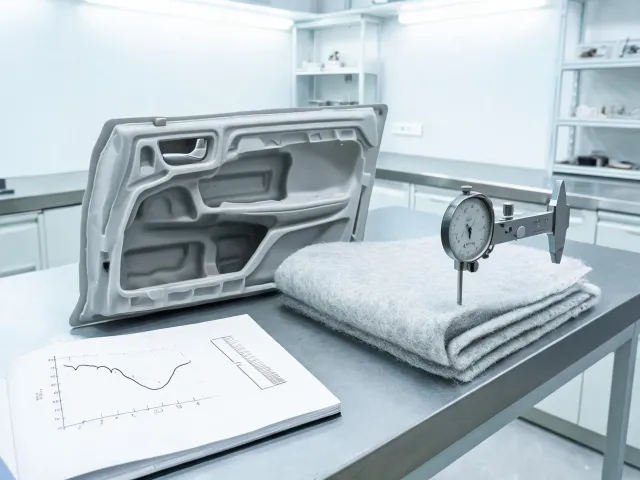
Keep model, cavity position, thickness, surface density, frequency method and converting route in one evidence record.
No. The portfolio can include batting, loose-fill insulation and automotive acoustic non-woven mats. The requested form must be named before width, construction, converting or test data can be interpreted.
No. SM600L evidence concerns a named automotive acoustic non-woven model and its test conditions. Apparel insulation uses a separate construction and thermal evidence path, often involving basis weight, thickness, clo and end-article assembly.
Not by itself. Loft recovery, compression, shell and lining friction, quilt spacing, moisture, care and garment construction affect the result. Compare data only where the type, specimen and method are compatible.
Not without a defined condition. A named Featherless type can be evaluated for composition, damp behavior, fill method and article construction, while natural down may be evaluated for fill power, sourcing and moisture management. Compare the same article geometry and method rather than turning a material trade-off into a universal winner.
Typical published values support screening. A final specification should cite the current technical data sheet, named product, units, method, conditioning and any tolerances accepted for the intended article.
No. Flame-resistant products require the exact material type, applicable test method and result. Performance for momentary exposure must not become an unconditional safety promise for every color, construction or finished product.
State the end use, product type or model, material form, target basis weight or thickness, layer construction, relevant method, expected quantity, destination and the current document revision needed for review.
No. A recycled-content claim must belong to the named product and current evidence. Recycled feedstock may support a material target, while virgin feedstock may offer a different consistency profile; both still require review of performance, color, supply stability and article requirements.

A useful review starts with the current type or model, intended article, material form and the exact evidence that must be compared.